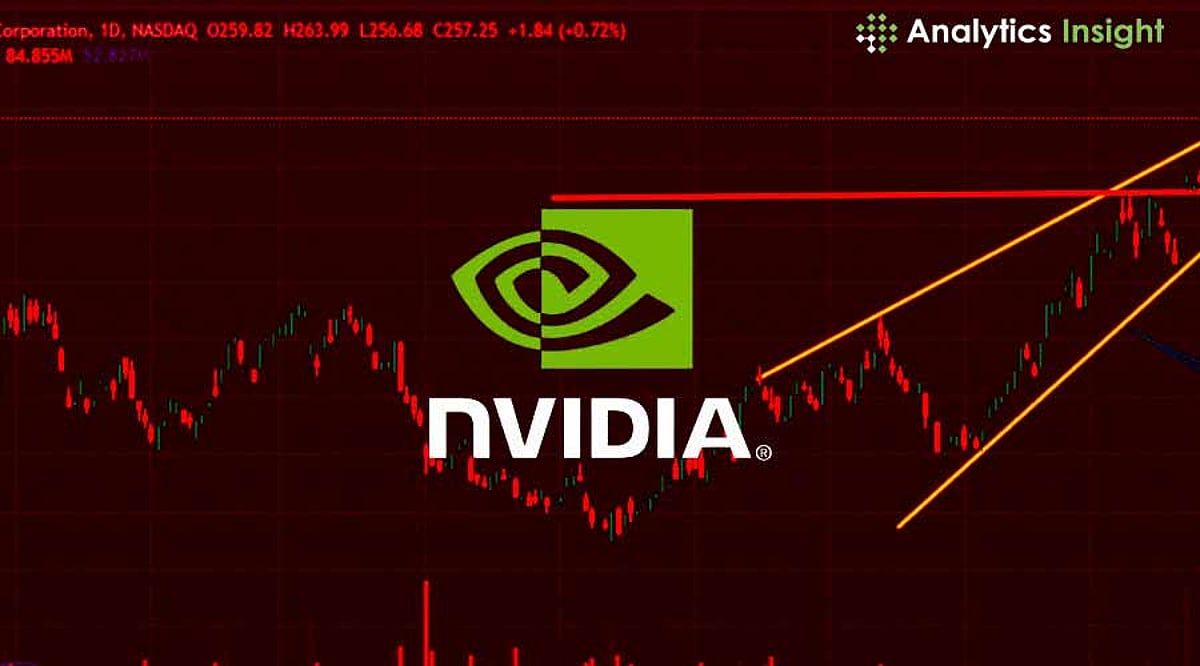
Nvidia Stock Volatility: Can NVDA Avoid Another 2022 Slump?
Nvidia (NASDAQ:NVDA) has been nothing short of a market darling, captivating investors with its meteoric rise, largely fueled by its dominance in the burgeoning artificial intelligence (AI) sector. Yet, for all its spectacular gains, Nvidia stock is no stranger to dramatic swings, famously enduring a roughly 50% decline in 2022 after a staggering 125% surge in 2021. As the company continues to innovate and expand its influence, investors are keenly asking,
why Nvidia stock performs with such intensity, and more importantly, can it navigate the current uncertain economic waters without reliving the substantial downturn of 2022? This article delves into the strategic underpinnings of Nvidia's recent performance, the potential headwinds, and what it might mean for the stock's future trajectory.
The Rollercoaster Ride: Understanding NVDA's Historical Volatility
Nvidia’s stock performance over the past few years reads like a thrilling novel, marked by breathtaking peaks and challenging troughs. While the broader market, represented by the S&P 500, offers relatively steady growth, Nvidia has delivered a high-octane experience. Consider these stark contrasts in annual returns:
- 2021: +125% – A period of intense growth and optimism.
- 2022: -50% – A sharp correction amidst broader market downturns and concerns about valuations.
- 2023: +239% – The AI boom ignited, propelling the stock to unprecedented heights.
- 2024 (YTD): +171% – Continued momentum as AI integration accelerates.
This data clearly illustrates the extreme volatility that defines Nvidia's journey. While such rapid appreciation is thrilling, the dramatic pullbacks highlight the inherent risks. For comparison, a diversified portfolio like the Trefis High Quality (HQ) Portfolio, comprising 30 stocks, has demonstrated considerably less volatility while still outperforming the S&P 500 over the same four-year span. This contrast underscores that Nvidia, as a leading-edge technology growth stock, is particularly susceptible to market sentiment, macroeconomic shifts, and industry-specific developments. Understanding
why Nvidia stock experiences such wild swings is crucial for investors.
Strategic Expansion: Building an Enduring AI Empire
Beyond the general market rallies, Nvidia's recent surge – including a notable 40% gain over a recent month – has been underpinned by several strategic company-specific initiatives designed to solidify its long-term dominance in AI. These moves are not just about selling more chips today; they are about shaping the entire AI ecosystem. For a deeper dive into the drivers of Nvidia's recent momentum, explore
Nvidia's 40% Surge: AI Standards & Sovereign Deals Fuel Growth.
NVLink Fusion: Setting the AI Hardware Standard
One of Nvidia's most prescient moves is the introduction of NVLink Fusion, an innovative chip-to-chip interconnect technology aimed at dramatically boosting the performance of AI systems. What makes this particularly impactful is Nvidia's decision to license this technology to other chip designers. By enabling third-party vendors like Marvell and MediaTek to incorporate Fusion into their custom AI system designs, Nvidia is extending its influence far beyond its own proprietary chips.
This strategy is brilliant for several reasons:
- It allows Nvidia to become the de facto standard for AI hardware communication, much like Intel's x86 architecture dominated the PC industry.
- It encourages other companies to build AI solutions that seamlessly integrate with Nvidia’s existing software stack (CUDA), creating a powerful network effect and potentially locking companies into its ecosystem.
- It expands Nvidia's reach into the rapidly growing custom AI hardware market without bearing the full development cost for every specialized chip.
This move is a strong indicator of
why Nvidia stock continues to command investor attention as it solidifies its foundational role in the future of AI.
Sovereign AI: Diversifying Revenue and Reducing Reliance
Historically, a significant portion of Nvidia’s revenue (estimated over 50%) has come from a handful of major U.S. tech titans: Amazon, Meta, Google, and Microsoft. While these partnerships are lucrative, they also present a risk, as these very companies are increasingly developing their own in-house AI chips to reduce their dependence on external suppliers.
Recognizing this potential vulnerability, Nvidia has strategically expanded into the "sovereign AI" market. This involves state-backed initiatives where nations invest in developing their own domestic AI capabilities and infrastructure. A prime example is the recent deal to supply over 18,000 Blackwell AI chips to Humain, a Saudi Arabia-based AI startup, for use in its AI data centers.
This diversification strategy is crucial:
- It reduces Nvidia's reliance on a few concentrated customers, mitigating the impact if any of them significantly ramp up their own chip production.
- It taps into a new, rapidly growing market segment driven by national strategic interests rather than just corporate profit motives.
- It positions Nvidia as a key enabler for global AI development, fostering broader adoption of its technologies worldwide.
These strategic initiatives shed light on
why Nvidia stock continues to command investor attention and why the company might be better positioned to weather future storms than in previous years.
Macroeconomic Headwinds and Industry Signals
Despite Nvidia's robust strategies, the company operates within a broader economic and industrial landscape that can introduce significant headwinds, reminiscent of the pressures seen in 2022. The current environment is characterized by persistent macroeconomic uncertainties, including ongoing debates around interest rate cuts and various geopolitical conflicts. Such factors tend to weigh heavily on high-growth stocks, making them more susceptible to investor sentiment shifts.
ASML's Warning Shot: A Chilling Effect?
A recent example of external factors impacting Nvidia's trajectory was the sell-off following an earnings report from ASML, a crucial player in the semiconductor supply chain. ASML, a Dutch company, produces highly sophisticated photolithography machines, including the essential Extreme Ultraviolet Lithography (EUV) equipment used to manufacture cutting-edge semiconductor chips – precisely the kind of GPUs Nvidia sells.
ASML's recent announcement of weaker-than-expected sales guidance for 2025 (forecasting net sales between €30 billion to €35 billion, towards the lower end of previous estimates, with gross margins also below expectations) sent ripples through the chip sector. While ASML attributed its decline in guidance primarily to slower chip demand recovery outside of the AI sector, it still raised concerns among investors about overall global chip demand. This incident underscores how interconnected the semiconductor industry is, and how a slowdown in one area can trigger broader investor apprehension. For more details on this event, refer to
Why Did Nvidia Stock Fall 5%? ASML's Guidance Raises Concerns. Such market signals contribute to concerns that shed light on
why Nvidia stock, despite its strengths, remains susceptible to external shocks.
Navigating the Future: Tips for Investors
Given Nvidia’s undeniable potential coupled with its inherent volatility, what should investors consider? Avoiding another 2022-like slump depends on a combination of Nvidia's execution and the broader market conditions.
- Diversification is Key: While Nvidia offers tremendous growth potential, its volatility suggests that it should be part of a diversified portfolio. Relying solely on one high-growth stock, even one as strong as Nvidia, carries substantial risk. Consider a balanced approach that includes less volatile assets.
- Long-Term vs. Short-Term: For long-term investors, Nvidia's strategic moves in AI standardization and market diversification provide compelling reasons to hold. Short-term traders, however, must be prepared for significant price swings driven by quarterly reports, macroeconomic news, and industry sentiment.
- Monitor Macroeconomic Trends: Keep a close eye on interest rate policies, inflation, and global economic stability. High-growth stocks like Nvidia are typically more sensitive to changes in these factors.
- Watch Competitive Landscape and Innovation: While Nvidia leads, competition is intensifying. Monitor rivals' advancements and Nvidia's continued innovation cycle. The NVLink Fusion strategy is a good example of proactive defense against competition.
- Understand Valuation: Nvidia's stock is often valued at a premium, reflecting its growth prospects. At a valuation of approximately $101 per share according to some analyses (roughly 25% below current market price), it suggests that much of the future growth is already priced in. Investors should assess whether they believe the company can continue to exceed these high expectations.
Conclusion
Nvidia’s trajectory remains one of the most compelling narratives in today’s stock market. The underlying reasons
why Nvidia stock continues to captivate investors are clear: unparalleled innovation in AI, strategic market expansion through initiatives like NVLink Fusion, and proactive diversification into sovereign AI markets. These efforts are designed to build a more resilient and entrenched position in the global AI ecosystem, potentially making the company less susceptible to the specific vulnerabilities that contributed to its 2022 downturn.
However, the shadow of macroeconomic uncertainty, combined with industry-specific headwinds signaled by companies like ASML, means that significant volatility remains a hallmark of NVDA. While Nvidia is strategically stronger and the demand for AI is robust, investors must acknowledge that no stock is immune to market corrections. By focusing on long-term trends, maintaining a diversified portfolio, and staying informed about both company-specific developments and broader economic shifts, investors can better position themselves to navigate Nvidia’s exciting, yet unpredictable, journey. Whether NVDA avoids another 2022 slump will ultimately depend on a delicate balance between its formidable execution and the ever-shifting tides of the global economy and market sentiment.